No Fees Overseas
Get fee-free spending on your debit card in 200 countries worldwide.
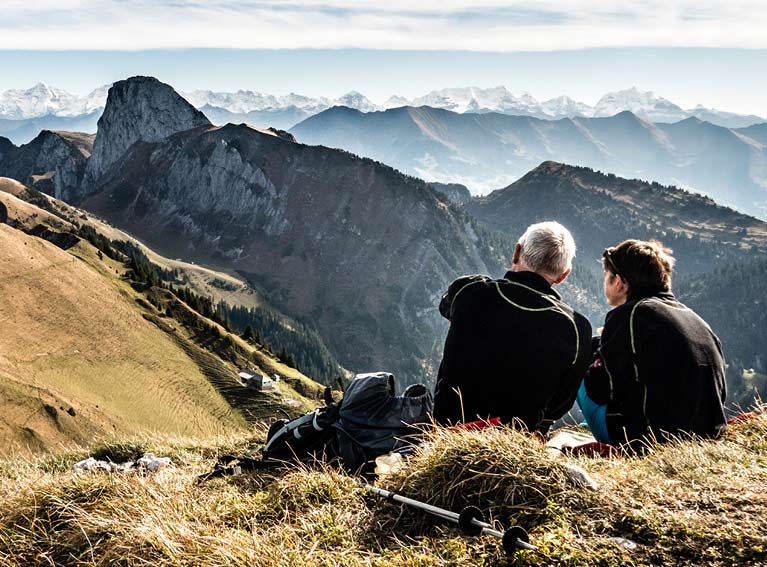
Living abroad with stability, structure and quality of life.
Clean cities, a strong sense of order and an exceptional natural environment shapes everyday life, from lakeside towns to Alpine villages. With a high quality of living, excellent public services and easy access to the outdoors, Switzerland suits those looking for a calm, comfortable and well‑organised place to start a new chapter.
Housing in Switzerland is typically modern and well maintained, but homes are often smaller than in other countries. Property prices and rents are among the highest in Europe, so most expats live in apartments rather than houses. The rental market is highly competitive, so if your employer offers accommodation this can be a significant advantage.
To secure a rental, you will usually need to pay a deposit of up to 3 months’ rent and share bank statements and personal references. It’s advisable to start searching early, using local newspapers, property websites and estate agents once you arrive.
Zurich and Geneva are popular choices due to job opportunities and international communities, although rents are particularly high. Basel offers a smaller, culturally rich environment, Bern appeals to those working in government or technology, while Lucerne attracts families and couples seeking scenic surroundings. Winters can be cold, with snow in higher regions and fog in low lying cities.
Switzerland is known for its efficiency, order and high quality of life. Rules are taken seriously, including local regulations around noise, waste disposal and even activities such as car washing or gardening.
People may appear reserved at first, but interactions are polite and respectful. Despite having 4 official languages, there’s a strong sense of national identity. Learning basic phrases in the local language can be helpful, particularly outside major cities.
Switzerland offers an excellent standard of healthcare through a combination of public and private services. Health insurance is compulsory for all residents and covers most standard medical treatments. Insurance premiums are paid monthly and will vary by age and coverage level.
Healthcare works on an excess system, meaning you pay a set amount towards costs each year before insurance fully applies. You'll need private insurance for services such as dental care or private hospital rooms. Pharmacies are widely accessible and emergency services are efficient and well equipped.
Most pets can be brought into Switzerland, as long as they're microchipped, vaccinated against rabies and accompanied by the correct health documentation. An EU pet passport is accepted for pets travelling from within Europe.
Dogs must also be registered with a local vet shortly after arrival. There are limits on the number of pets that can be imported and requirements may differ depending on the country of origin.
Shipping personal belongings to Switzerland is straightforward, although transit times can be longer due to the country being landlocked. Used household goods can usually be imported duty free if you have the correct documentation.
Air freight is faster but more expensive than road or sea transport through neighbouring countries. Removal companies often assist with the necessary customs paperwork.
Switzerland has one of the best public transport systems in the world. Trains are frequent, punctual and cover most of the country as well as neighbouring regions in France, Germany and Italy. Tickets must be purchased before boarding.
Buses operate mainly within cities and towns. Driving is popular outside urban areas, with well maintained roads, although speed limits are strictly enforced. You need a motorway pass and winter tyres are essential during colder months.
Expats need the appropriate residence and work permits, which vary depending on nationality and employment status. Permit availability and conditions can differ by canton.
Switzerland has a stable economy, strong currency and low unemployment. It hosts many multinational headquarters and offers high salaries, particularly in finance, pharmaceuticals, technology and manufacturing.
Business culture is formal and professional. Punctuality, preparation and reliability are highly valued. Management structures are hierarchical, but decision making is often collaborative. English is commonly used in international workplaces, while German, French or Italian dominate locally.
Education is compulsory from early childhood through the teenage years. State schools are free and teach in the language of the region, making them a good option for families planning a long-term stay.
Private schools and international schools offer excellent facilities and personalised learning but charge high fees. International schools are concentrated in cities with large expat populations and competition for places can be strong.
Living abroad often means managing money across borders, particularly if you continue to receive income, have savings or own assets outside your new home country. Many expats use a local account for everyday spending alongside an international account to manage money overseas.
An international bank account, such as our International Classic or International Plus accounts, can help by offering a single place to manage your money in more than one currency, make international payments and access your money wherever you live.
International payments and foreign exchange are an important consideration for expats. Exchange rate movements can affect the value of transfers, savings and major expenses. Lloyds International offers international payments and foreign exchange services designed to help customers manage currency exposure and plan with greater certainty.
Moving abroad can also be a good opportunity to review your wider financial arrangements, including savings and long‑term plans. For customers with more complex needs and with £250,000 (or currency equivalent) or more to deposit, Lloyds International Private Banking offers dedicated support for internationally mobile clients, helping them stay organised while navigating life across borders. Professional tax advice should always be sought where appropriate.
Switzerland has a decentralised tax system with federal, cantonal and municipal taxes. Tax rates vary significantly depending on where you live, making location an important financial consideration.
Residents are taxed on their worldwide income, although income earned abroad may be exempt while still influencing tax rates. Non-residents are taxed on Swiss sourced income. Wealth taxes also apply at cantonal level. Switzerland has double tax treaties with many countries, reducing the risk of paying tax twice.
Switzerland has one of the highest costs of living in the world, particularly for housing, childcare and healthcare. These costs are often offset by higher salaries and reliable public services.
When budgeting, consider setup costs such as deposits, furnishings and insurance premiums. Employer benefits may help with accommodation, relocation or schooling expenses.
Lloyds International takes no responsibility for the accuracy of this information. It’s offered for orientation purposes and to stimulate further research, not as advice. We recommend that you independently verify any details and make decisions based on your own assessment. It’s crucial you are aware of and comply with any relevant laws in your host country or country of origin.
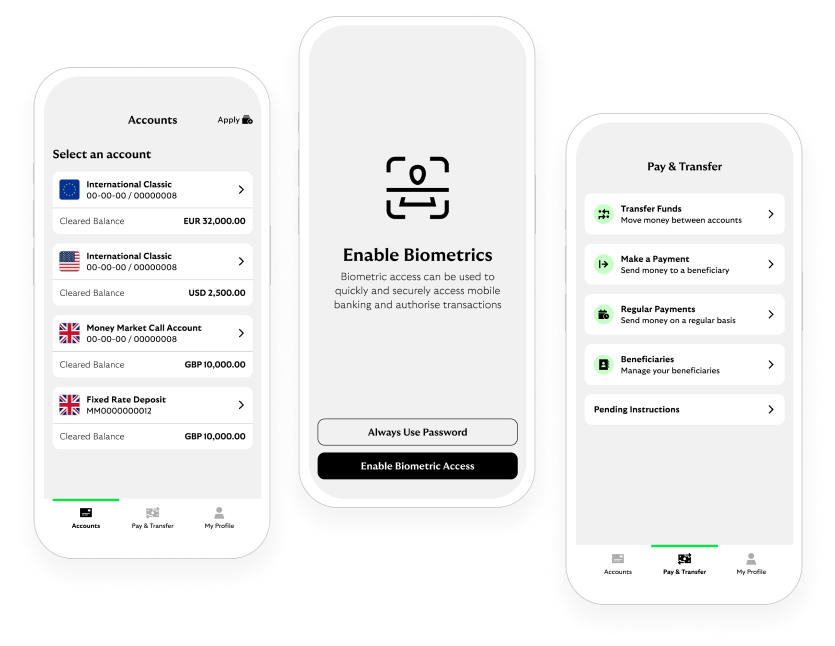
It's simple, secure and convenient to bank in our app.