No Fees Overseas
Get fee-free spending on your debit card in 200 countries worldwide.

An international hub offering opportunity and ambition.
English is widely spoken, day‑to‑day life is easy to navigate and cities are built around convenience and safety. With year‑round warmth, diverse communities and everything from beaches to desert landscapes on the doorstep, the UAE appeals to those looking for a smooth, high‑quality lifestyle while starting a new chapter abroad.
Most expats in the UAE choose to live in Dubai or Abu Dhabi. The infrastructure is modern and well developed, with schools, healthcare and leisure facilities being easily accessible. Housing standards are high and many buildings offer shared amenities, such as swimming pools, gyms and leisure areas.
Rent is usually the largest expense. Some employers offer accommodation or a housing allowance, which can make a significant difference. You can get both furnished and unfurnished properties, although unfurnished homes often exclude basic appliances, increasing setup costs. A strong second-hand market makes it easier to furnish your home affordably.
Rental contracts typically run for 1 year. You will usually need a residence visa, passport, proof of income and proof of address to sign a lease. Many landlords ask for rent to be paid annually or with post-dated cheques, along with a security deposit of around 5% of the annual rent. It's important to confirm maintenance responsibilities and any extra charges before signing.
The UAE blends modern city living with traditional Islamic values. Expats are not expected to wear traditional clothing, but you need to wear modest clothing in public spaces, with shoulders and knees covered.
Personal freedoms have expanded in recent years. Alcohol can be legally found in licensed venues and unmarried couples may live together. Respect for local customs remains important, especially during Ramadan, when eating, drinking and smoking in public during daylight hours should be avoided.
The climate is extremely hot for much of the year, so daily life often centres around air-conditioned indoor spaces. The working week runs from Sunday to Thursday, with Friday and Saturday as the weekend.
Private healthcare in the UAE is of a very high standard, but expensive without insurance. Medical insurance is mandatory for residency, but employers in Dubai and Abu Dhabi have to offer cover for employees.
Expats can use public healthcare and it's now free. But most residents choose private clinics and hospitals where staff commonly speak English. Pharmacies are widespread and many are open 24 hours, although strict drug regulations apply and some medications need prescriptions.
Emergency services can be inconsistent, so many residents make their own way to hospital in urgent situations.
Pets can be brought into the UAE if they are microchipped, vaccinated and accompanied by the correct documentation. This includes a health certificate issued shortly before travel and an import permit from the Ministry of Climate Change and Environment.
Rules are strict and enforced, so it's important to check requirements carefully before travelling.
Many expats ship furniture to the UAE, as rental properties may be unfurnished. Electrical compatibility should be checked in advance, as voltage standards may differ.
There are strict import controls. Items considered offensive to UAE values, as well as certain medications, are prohibited. Carrying banned items can result in serious penalties, so it's essential to review official guidance before moving.
The UAE is largely car dependent, with cheap fuel and well-maintained roads. Driving is straightforward, although traffic congestion is common in major cities. International driving licences are accepted initially, but residents must obtain a local licence.
Public transport options include buses, taxis and ride-hailing apps, with Dubai offering a modern and efficient metro system. The UAE is also a major global aviation hub, with excellent international connectivity.
Expats must have a valid residence and work visa, usually sponsored by an employer. A medical assessment and proof of health insurance are required as part of the visa process.
The UAE has a strong, diversified economy with major industries including banking, finance, construction, tourism and logistics. Expats make up a large proportion of the workforce and salaries are among the highest globally.
Business culture is relationship-focused and hierarchical. Trust and personal connections are highly valued and face-to-face meetings are preferred. English is widely used in business, although Arabic is the official language. Working hours vary by sector, with reduced hours during Ramadan.
Expats can access public schools for a fee, although teaching is primarily in Arabic. Most expat families choose private or international schools.
International schools offer a wide range of curricula, including British, American and International Baccalaureate programmes. Fees are high and places can be competitive. UAE Social Studies and Arabic are compulsory subjects up to a certain level, even in private schools, while Islamic Education is optional for non-Muslims.
Living abroad often means managing money across borders, particularly if you continue to receive income, have savings or own assets outside your new home country. Many expats use a local account for everyday spending alongside an international account to manage money overseas.
An international bank account, such as our International Classic or International Plus accounts, can help by offering a single place to manage your money in more than one currency, make international payments and access your money wherever you live.
International payments and foreign exchange are an important consideration for expats. Exchange rate movements can affect the value of transfers, savings and major expenses. Lloyds International offers international payments and foreign exchange services designed to help customers manage currency exposure and plan with greater certainty.
Moving abroad can also be a good opportunity to review your wider financial arrangements, including savings and long‑term plans. For customers with more complex needs and with £250,000 (or currency equivalent) or more to deposit, Lloyds International Private Banking offers dedicated support for internationally mobile clients, helping them stay organised while navigating life across borders. Professional tax advice should always be sought where appropriate.
The UAE does not levy personal income tax at the moment. Corporate tax applies at a standard rate, although enforcement depends on business activity and sector. There are no taxes on capital gains, inheritance or personal wealth.
Value added tax applies at a low rate, with exemptions for certain goods and services. Foreign nationals may also be entitled to end of service gratuity payments after completing a qualifying employment period.
The cost of living in the UAE is high, particularly for accommodation, schooling and leisure. Groceries and everyday goods are generally affordable, but imported items and alcohol are expensive.
When planning a budget, factor in upfront rental payments, furniture, schooling and insurance. Many employer packages include housing, schooling or medical benefits, which can significantly reduce overall costs.
Lloyds International takes no responsibility for the accuracy of this information. It is provided for orientation purposes and to stimulate further research, not as advice. We recommend that you independently verify any details and make decisions based on your own assessment. It is crucial you are aware of and comply with any relevant laws in your host country or country of origin.
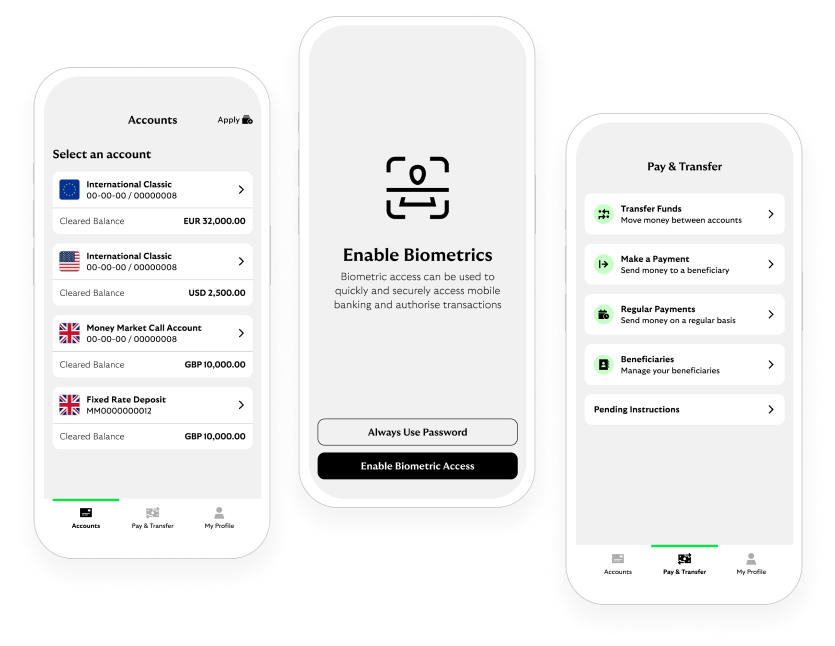
It's simple, secure and convenient to bank in our app.