No Fees Overseas
Get fee-free spending on your debit card in 200 countries worldwide.

Discover what it’s like to build a life down under.
An outdoor‑focused lifestyle, strong communities and well‑developed cities make Australia an attractive place to live and work abroad. Daily life is shaped by access to nature, time spent outdoors and an emphasis on balance, supported by a high standard of living and a stable environment. Together, these factors continue to draw those looking for both opportunity and a comfortable, well‑rounded life overseas.
Accommodation in Australia is generally high quality, although demand is strong in major cities and the rental market can move quickly. Properties range from city apartments and townhouses to detached houses in suburban areas, with outdoor space common outside city centres.
Most landlords need prospective tenants to view a property in person, so many new arrivals start with temporary or serviced accommodation. Rental deposits are usually 4 to 6 weeks’ rent and proof of income or references may be needed. Utilities are typically paid separately and billed quarterly.
Sydney, Melbourne and Brisbane attract the largest expat populations due to job opportunities and lifestyle. Perth and Adelaide are generally more affordable, while regional towns appeal to those looking for a quieter pace of life and closer access to nature.
Australia is known for its relaxed, informal culture and strong focus on work life balance. People tend to be friendly and direct, with an emphasis on fairness and equality.
An active outdoor lifestyle is common, supported by the climate and natural environment. Popular activities include beach sports, hiking and cycling, alongside strong national interest in cricket, rugby and football. Social life often revolves around outdoor dining and barbecues.
Australia has a high-quality public healthcare system, Medicare, which provides access to hospital treatment and subsidised medical care for citizens and permanent residents. Some temporary visa holders may also get access, depending on reciprocal healthcare agreements.
Many expats take out private medical insurance, particularly before qualifying for Medicare or to access private hospitals and extra services. Pharmacies are widespread and can offer advice on minor health issues. Emergency medical services are reliable and state run.
Australia has strict biosecurity laws. Only cats and dogs can be imported, and they must be microchipped, vaccinated and meet pre‑approval criteria. Pets are subject to a quarantine period on arrival, and detailed documentation is required.
Because criteria can change, it's important to check the latest guidance before making travel plans.
Australia has strict import controls to protect its environment. Certain foods, plant products, animal items and materials are prohibited or restricted.
Household goods can usually be imported duty free if they have been owned and used for at least 12 months. Shipping by sea is common but can be expensive due to distance, while air freight is faster but higher cost.
Due to its size, domestic air travel is the most practical way to cover long distances. Several airlines operate frequent routes between major cities.
Urban transport networks include trains, trams and buses, particularly in larger cities. Roads are generally well maintained, although journeys outside metropolitan areas can be long. Non-residents can usually drive on an overseas licence for a limited period, while permanent residents need to convert to a local licence.
Most people moving to Australia need a visa that allows them to work or study. Common routes include skilled migration, employer sponsorship, partner visas and student visas. Requirements vary by visa type, and you may need to meet health and character checks.
Check the latest eligibility criteria and explore your options on the official Australian Government visa website.
Australia has a stable economy with opportunities across healthcare, technology, construction, education and professional services. Salaries are generally high, although the cost of living in major cities can offset earnings.
Work culture is relatively informal but professional, with an emphasis on collaboration and practical outcomes. English is the primary business language.
Australia’s education system is well regarded. Public schools are government funded and free for citizens and permanent residents, while private schools are widely available.
International schools and universities attract students from around the world. Education quality is high, but school catchment areas can influence housing prices in desirable locations.
Living abroad often means managing money across borders, particularly if you continue to receive income, have savings or own assets outside your new home country. Many expats use a local account for everyday spending alongside an international account to manage money overseas.
An international bank account, such as our International Classic or International Plus Account can help by offering a single place to manage your money in more than one currency, make international payments and access your money wherever you live.
International payments and foreign exchange are an important consideration for expats. Exchange rate movements can affect the value of transfers, savings and major expenses. Lloyds International offers international payments and foreign exchange services designed to help customers manage currency exposure and plan with greater certainty.
Moving abroad can also be a good opportunity to review your wider financial arrangements, including savings and long‑term plans. For customers with more complex needs and with £250,000 (or currency equivalent) or more to deposit, Lloyds International Private Banking offers dedicated support for internationally mobile clients, helping them stay organised while navigating life across borders. You should always get professional tax advice where appropriate.
Australia’s tax year runs from 01 July to 30 June, and tax is administered by the Australian Taxation Office. Tax obligations depend on whether you are classed as a tax resident, temporary resident or non-resident for tax purposes.
Australian residents are generally taxed on worldwide income, while non-residents are taxed only on Australian sourced income. Most residents also pay a Medicare levy to pay for public healthcare. Australia has double tax treaties with many countries to help prevent income being taxed twice.
Because residency rules are complex and do not always match visa status, professional tax advice is recommended.
Australia offers a high quality of life, but everyday costs can be higher than in the UK. How much you’ll need will depend on where you live, your lifestyle and whether you’re moving alone or with family. Expenses tend to be higher in major cities, while smaller cities and regional areas are often more affordable.
Housing is usually the largest cost, with rental prices varying significantly by location. Cities like Sydney and Melbourne are typically more expensive, whereas places such as Adelaide, Brisbane and Perth can offer better value. Demand for housing can also be strong, so it’s worth planning ahead when arranging accommodation.
Everyday spending such as groceries, utilities, transport and leisure can quickly add up. Salaries in Australia are generally competitive, which helps balance these costs, but careful budgeting and choosing the right location can make a real difference to how far your money goes.
Lloyds International takes no responsibility for the accuracy of this information. It is provided for orientation purposes and to stimulate further research, not as advice. We recommend that you independently verify any details and make decisions based on your own assessment. It is crucial you are aware of and comply with any relevant laws in your host country or country of origin.
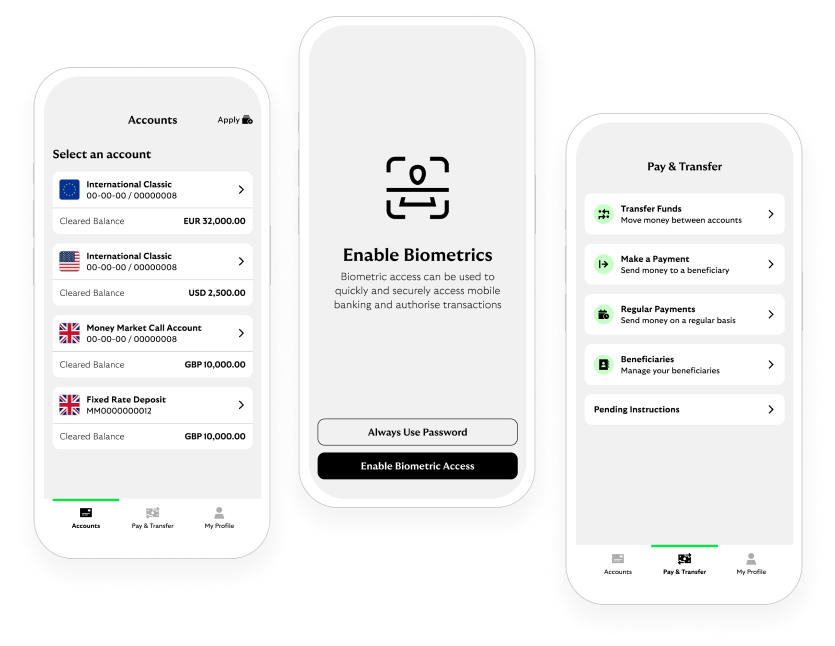
It's simple, secure and convenient to bank in our app.