No Fees Overseas
Get fee-free spending on your debit card in 200 countries worldwide.

A slower pace of life in the heart of the Mediterranean.
Its warm climate, English widely spoken, familiar legal and financial systems, and relaxed Mediterranean lifestyle make Cyprus an attractive place to start a new chapter. Combined with a strong sense of community, high standards of living and an outdoor way of life, Cyprus continues to appeal to those looking for both comfort and opportunity abroad.
Accommodation costs in Cyprus vary by location and property type, ranging from city apartments and coastal villas to traditional village homes that may need renovation.
Renting is generally more affordable than in many parts of Europe. In recent years, a 1-bedroom apartment has typically ranged from around €500 to €2,000 each month, depending on location and demand. Property prices are comparable to other European markets. Average house prices are around €215,000 and you can find lower prices in smaller villages.
Popular areas for expats include Paphos and nearby villages such as Peyia and Tala, which offer beaches, a relaxed lifestyle and good transport links. Limassol attracts professionals due to its strong business district, while Larnaca appeals to those looking for a slower pace of life. Nicosia, the capital, is a cosmopolitan business hub with modern infrastructure and lower living costs than many European capitals.
Family plays a central role in Cypriot life, with strong links across generations and a high level of respect for older family members. Social life often revolves around shared meals and time spent together.
Cypriots value relationships and personal connections. Face to face meetings are preferred and building trust is important both socially and professionally. Hospitality is taken seriously and it’s common for visitors to be offered food or drink. Bringing a small gift such as pastries is customary when invited to someone’s home.
Cyprus offers a good standard of healthcare through a two-tier system. This is on offer to permanent residents and eligible expats.
The General Health System provides access to GPs, specialists and hospitals, funded through state contributions and patient co-payments. Private healthcare is also widely available and used by those who prefer faster access or extra choices. Those not registered under the General Health System may want to consider private health insurance.
Cats and dogs can be brought into Cyprus without quarantine, if they’re microchipped, vaccinated against rabies and accompanied by a valid health certificate issued shortly before travel.
Pets arriving from EU countries will also need a European pet passport. Animals may be inspected on arrival. Legal entry points for pets are Larnaka and Paphos international airports, also Lemesos and Larnaka seaports.
Import controls in Cyprus are broadly in line with those in other European countries, with restrictions on items such as weapons, illegal drugs and certain food products.
Household goods can be shipped by air or sea. Sea freight is generally cheaper but takes longer. Costs and timings vary depending on whether you share a container or ship goods exclusively.
Public transport is mainly provided by buses operated by independent companies. Services between major towns and cities are reliable, while rural routes may be limited.
Most residents choose to drive. Roads are generally well maintained, and fuel stations are easily found on main routes. Credit cards are often accepted, although cash may be needed in more rural areas. Crossing into Northern Cyprus is possible through designated border points, including Agios Dometios in Nicosia.
EU and non-EU nationals face different residency and work requirements in Cyprus. Visa and permit rules vary depending on employment status, length of stay and nationality.
It’s important to check current residency and work permit requirements before moving, as criteria and processes can change.
Cyprus offers employment opportunities in sectors such as finance, IT, professional services, energy and tourism. Many expats work in hospitality and service roles, which are often seasonal.
Larger cities, particularly Nicosia and Limassol, offer more corporate opportunities. Networking and personal recommendations are commonly used when searching for work. While English is widely spoken, some knowledge of Greek can be helpful in the workplace.
Cyprus has a mix of state, private and international schools. State education is free, although teaching is primarily in Greek and standards can vary.
Many expat families choose private or international schools, particularly if they expect to move again. Fees typically range from around €5,000 to €9,000 a year. International schools offer smaller class sizes, strong facilities and internationally recognised qualifications. These are mainly located in Limassol, Nicosia and Paphos.
Living abroad often means managing money across borders, particularly if you continue to receive income, have savings or own assets outside your new home country. Many expats use a local account for everyday spending alongside an international account to manage money overseas.
An international bank account, such as our International Classic or International Plus accounts, can help by offering a single place to manage your money in more than one currency. You can make international payments and access your money wherever you live.
International payments and foreign exchange are an important consideration for expats. Exchange rate movements can affect the value of transfers, savings and major expenses. Lloyds International offers international payments and foreign exchange services designed to help customers manage currency exposure and plan with greater certainty.
Moving abroad can also be a good opportunity to review your wider financial arrangements, including savings and long‑term plans. For customers with more complex needs and with £250,000 (or currency equivalent) or more to deposit, Lloyds International Private Banking offers dedicated support for internationally mobile clients, helping them stay organised while navigating life across borders. Professional tax advice should always be sought where appropriate.
Cyprus offers an attractive tax system for expats, particularly retirees and those setting up businesses. You become a tax resident by spending more than 183 days in Cyprus in a calendar year, or under a separate 60-day rule if specific conditions are met. Cyprus has double taxation treaties with more than 60 countries, helping to prevent the same income being taxed twice.
Personal income tax includes a tax-free allowance, with higher income taxed on a tiered basis up to a maximum rate. Pension income can be taxed under a special reduced rate or treated as normal income, depending on individual circumstances. Corporate tax is set at a competitive rate.
The cost of living in Cyprus is generally lower than in many parts of Northern Europe, particularly outside major cities. Housing, transport and dining out are typically affordable, although costs can rise in popular coastal areas.
When budgeting, it is important to consider initial setup costs such as accommodation deposits, furniture, vehicles and insurance. Some employers offer relocation support, but this varies by role and sector.
Lloyds International takes no responsibility for the accuracy of this information. It is provided for orientation purposes and to stimulate further research, not as advice. We advise that you independently verify any details and make decisions based on your own assessment. It is crucial you are aware of and comply with any relevant laws in your host country or country of origin.
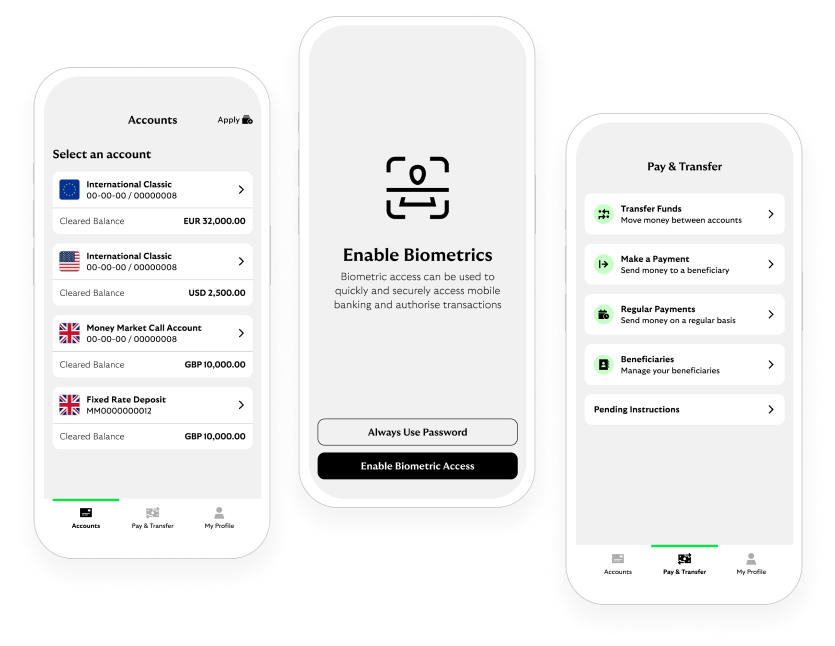
It's simple, secure and convenient to bank in our app.