No Fees Overseas
Get fee-free spending on your debit card in 200 countries worldwide.

Living abroad where culture, cuisine and lifestyle come together.
Its close proximity to the UK, familiar lifestyle, world‑class healthcare and strong legal protections make settling in feel straightforward. Add to that a rich culture, varied landscapes and excellent food and wine. France has a high standard of living and continues to appeal to those looking for both quality of life and long-term opportunity abroad.
Accommodation options in France vary widely by region. City living is dominated by apartments, while rural areas offer larger houses that are often more affordable.
It’s difficult to secure a rental before arriving, as landlords and agents usually prefer to meet tenants in person. Many rental properties are unfurnished and may not include appliances or white goods, so allow for set-up costs. To rent a property, you will typically need proof of income showing earnings of at least 3 times the monthly rent, along with a deposit of around 1 month’s rent.
Rent prices vary significantly. Outside Paris, a 1 or 2-bedroom city apartment often ranges from around €850 to €1,500 each month, while Paris rents are considerably higher. Property purchases involve extra administrative and legal costs as the market is highly regulated, although good value can still be found in rural regions.
Popular locations include Paris for employment opportunities, Lyon for culture and access to the Alps, Nice for coastal living and Bordeaux for its food, wine and international business presence. Smaller towns in the southwest and regions such as the Dordogne appeal to those seeking a quieter lifestyle.
France is a secular country with strong civic values. The French take pride in their language, history and cultural identity. Etiquette is important in both social and professional settings.
Greetings are formal, particularly at first meetings. A handshake is common, while friends may greet each other with kisses on the cheek. Learning French is highly recommended, as it plays an important role in daily life and integration.
France has one of the highest rated healthcare systems in the world, offering modern facilities, well trained professionals and relatively short waiting times.
Healthcare is funded through social security contributions and can be used by all residents. By law, residents must have health insurance, either through the state system or private cover. Many expats choose extra private insurance, which is often offered through employment or arranged individually. Pharmacies can be easily accessed around the country and are the only places where over the counter medicines can be purchased.
Medical emergencies are handled by SAMU, the national emergency medical service.
Pets travelling to France from within the EU must be microchipped, vaccinated against rabies and have a valid EU pet passport. Pets coming from outside the EU will need an official health certificate signed by a vet.
Some dog breeds classified as dangerous are restricted or banned. Extra testing may be needed for animals arriving from high-risk rabies countries.
France has well developed ports, rail links and international airports, making shipping relatively straightforward. Household goods and personal belongings can usually be imported duty-free if they are more than 6 months old.
Air freight is faster but more expensive, while sea freight is more cost effective for larger shipments. When arranging shipping, it’s important to confirm what services are included, such as customs clearance and delivery.
France has one of the best transport networks in Europe. Motorways are extensive and well maintained, although toll charges apply. Many drivers use an electronic toll payment system to save time.
Public transport is excellent, particularly trains. High speed TGV services connect major cities and link France with neighbouring countries, including direct services to the UK. Buses and trams operate in most cities and offer a low-cost option for local travel. EU driving licences are valid in France, while non-EU licence holders must convert their licence within a set period.
EU and non-EU nationals face different residency and work requirements. Visa rules depend on nationality, employment status and length of stay. It’s important to check the latest regulations before relocating.
France’s economy is driven by sectors such as fashion, tourism, agriculture, manufacturing and technology. Paris is one of Europe’s largest business hubs, hosting numerous multinational companies.
The business culture is formal and hierarchical, particularly at the start of working relationships. Punctuality, presentation and professionalism are highly valued. English is not widely spoken in the workplace, so a good level of French is usually essential.
Education in France is free and compulsory for children aged 3 to 16. State schools follow a national curriculum and are known for high academic standards and strong discipline.
France has private and faith-based schools and they're generally affordable. International schools are concentrated in major cities such as Paris, Lyon and Nice. International schools often follow the International Baccalaureate but can be expensive and have long waiting lists.
Living abroad often means managing money across borders, particularly if you continue to receive income, have savings or own assets outside your new home country. Many expats use a local account for everyday spending alongside an international account to manage money overseas.
An international bank account, such as our International Classic or International Plus Account can help by offering a single place to manage your money in more than one currency, make international payments and access your money wherever you live.
International payments and foreign exchange are an important consideration for expats. Exchange rate movements can affect the value of transfers, savings and major expenses. Lloyds International offers international payments and foreign exchange services designed to help customers manage currency exposure and plan with greater certainty.
Moving abroad can also be a good opportunity to review your wider financial arrangements, including savings and long‑term plans. For customers with more complex needs and with £250,000 (or currency equivalent) or more to deposit, Lloyds International Private Banking offers dedicated support for internationally mobile clients, helping them stay organised while navigating life across borders. You should always get professional tax advice where appropriate.
The French tax year runs from 01 January to 31 December, with tax returns generally submitted early in the following year. Married couples file joint tax returns under the family quotient system, which can affect overall tax liability.
France applies progressive income tax rates, with extra social contributions charged on earned income. High earners may be subject to extra taxation. France has double tax treaties with many countries, which help prevent the same income being taxed twice.
Both residents and non-residents may be subject to French tax depending on where income is earned and personal residency status. Professional advice is recommended due to the complexity of the system.
The cost of living in France varies by location, with Paris and other major cities significantly more expensive than rural areas. Housing, childcare and transport are typically the largest expenses.
When planning a move, it’s important to account for set-up costs such as deposits, furnishings, insurance and local taxes. Employer support may be on offer but varies by role and sector.
Lloyds International takes no responsibility for the accuracy of this information. It’s offered for orientation purposes and to stimulate further research, not as advice. We recommend that you independently verify any details and make decisions based on your own assessment. It’s crucial you are aware of and comply with any relevant laws in your host country or country of origin.
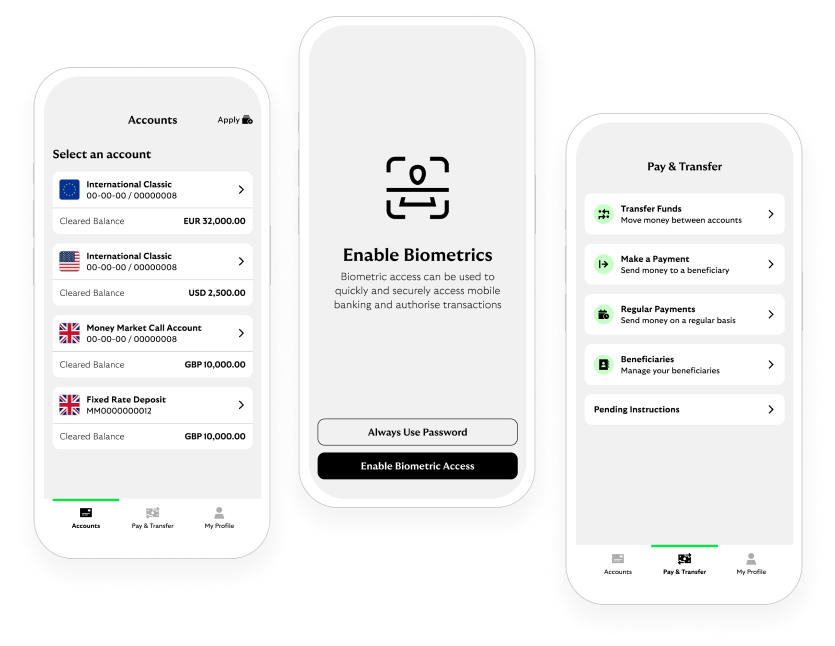
It's simple, secure and convenient to bank in our app.