No Fees Overseas
Get fee-free spending on your debit card in 200 countries worldwide.

Life at the centre of Europe’s economic engine.
A strong economy, high employment opportunities, excellent infrastructure and a reputation for efficiency make it an attractive place to build a new chapter. Combined with world‑class healthcare, a high standard of living and access to rich culture and travel across Europe, Germany appeals to those seeking both stability and opportunity abroad.
Accommodation in Germany is predominantly rental based, even for long-term residents. Properties are usually modern but can feel compact, particularly in larger cities. Demand is high and competition for rentals is strong, especially in cities such as Berlin, Munich, Frankfurt and Hamburg.
Most apartments are unfurnished and often won’t include kitchens or appliances, so setup costs can be significant. To secure a rental, you will typically need proof of income, a credit record, references and a rental deposit of up to 3 months’ rent. Searches often begin online, but viewings usually take place once you’re in the country.
Berlin attracts creatives, start ups and international professionals. Munich offers high salaries and strong job security but is one of the most expensive cities. Frankfurt is a major financial hub, while Hamburg is popular for its maritime heritage and quality of life. Smaller cities and towns can offer better value and easier access to housing.
Germany is known for its efficiency, organisation and clear rules. Punctuality, reliability and planning are valued in both professional and personal life.
Social interactions may seem formal at first, but relationships are built on trust and consistency. While German is the official language, English is widely spoken in larger cities and international workplaces. Recycling, waste sorting and quiet hours are taken seriously and form part of daily life.
Germany has one of the strongest healthcare systems in Europe, offering universal coverage through a combination of statutory and private insurance. Health insurance is mandatory for all residents.
Most employees are enrolled in statutory health insurance, which covers GP visits, hospital care and prescriptions. Higher earners and self-employed individuals may opt into private insurance for faster access or extra benefits. Medical facilities are modern, waiting times are short and many doctors speak English.
Pharmacies are well distributed, but some medications you can get over the counter elsewhere may need a prescription.
Germany allows the import of most pets as long as they're microchipped, vaccinated against rabies and accompanied by the correct documentation. Pets travelling from within the EU require an EU pet passport, while those arriving from outside the EU need a health certificate and proof of vaccination.
Certain dog breeds are restricted depending on the federal state, so local regulations should be checked in advance.
Shipping household goods to Germany is straightforward. Used personal belongings can usually be imported duty-free when relocating permanently.
Germany has strict rules around prohibited items, including weapons, drugs and protected wildlife products. Using an international removal company can help manage customs requirements and documentation.
Germany has one of Europe’s most comprehensive transport networks. Trains are fast, reliable and connect cities, towns and neighbouring countries. Public transport within cities is efficient and widely used.
Driving is common, particularly outside urban areas. Roads are well maintained, although environmental zones restrict vehicle access in some cities. EU driving licences are recognised, while non-EU licences may need to be exchanged after a set period.
EU citizens can live and work freely in Germany, while non-EU nationals need a residence permit. Work visas are commonly tied to employment, qualifications or skills shortages.
Germany has a strong and stable economy with key industries including engineering, automotive manufacturing, finance, pharmaceuticals, logistics and technology.
Work culture is structured and professional. Clear hierarchies exist, but decisions are often based on expertise and consensus rather than seniority alone. English is widely used in international companies, but German is essential for long-term career progression.
Education in Germany is high quality and largely state funded. Public schools are free and taught primarily in German, making them suitable for families planning a long-term stay.
Private and international schools can be found in most large cities, offering British, American and International Baccalaureate programmes. Fees vary and places can be competitive.
Living abroad often means managing money across borders, particularly if you continue to receive income, have savings or own assets outside your new home country. Many expats use a local account for everyday spending alongside an international account to manage money overseas.
An international bank account, such as our International Classic or International Plus accounts, can help by offering a single place to manage your money in more than one currency, make international payments and access your money wherever you live.
International payments and foreign exchange are an important consideration for expats. Exchange rate movements can affect the value of transfers, savings and major expenses. Lloyds International offers international payments and foreign exchange services designed to help customers manage currency exposure and plan with greater certainty.
Moving abroad can also be a good opportunity to review your wider financial arrangements, including savings and long‑term plans. For customers with more complex needs and with £250,000 (or currency equivalent) or more to deposit, Lloyds International Private Banking offers dedicated support for internationally mobile clients, helping them stay organised while navigating life across borders. Professional tax advice should always be sought where appropriate.
Germany has a progressive income tax system and relatively high social security contributions. Tax residency is determined not only by time spent in the country, but also by having a permanent place of residence you can access.
Residents are taxed on worldwide income, while non-residents are taxed on German-sourced income. Germany has an extensive double taxation treaty network to reduce the likelihood of paying tax twice. Given the complexity of residency and tax rules, professional advice is recommended.
The cost of living in Germany varies significantly by region. Cities such as Munich and Frankfurt are expensive, particularly for housing, while smaller cities in eastern Germany offer better value.
Everyday costs such as healthcare, transport and education are well controlled. Initial setup costs for accommodation, deposits and furnishings can be high though.
Lloyds International takes no responsibility for the accuracy of this information. It is provided for orientation purposes and to stimulate further research, not as advice. We recommend that you independently verify any details and make decisions based on your own assessment. It is crucial you are aware of and comply with any relevant laws in your host country or country of origin.
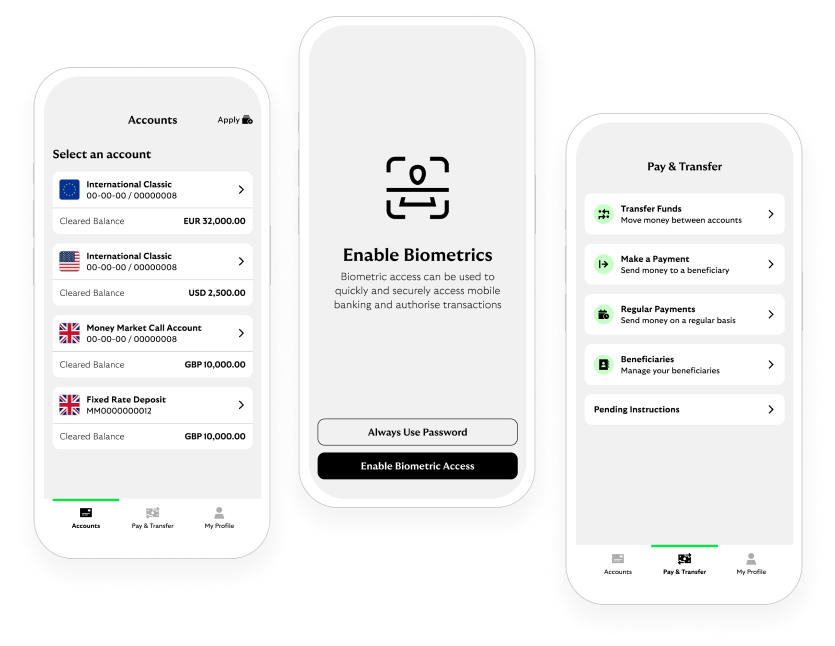
It's simple, secure and convenient to bank in our app.