No Fees Overseas
Get fee-free spending on your debit card in 200 countries worldwide.

Expat life in one of the world’s most dynamic cities.
English is widely spoken, the city is easy to get around and everyday life blends familiar comforts with new experiences. With its mix of vibrant neighbourhoods, outdoor escapes on the doorstep and a truly international feel, Hong Kong appeals to those looking for an exciting place to live as well as work.
Accommodation in Hong Kong ranges from compact apartments to high-end villas, although apartments are by far the most common due to limited space and high population density.
The rental market is competitive and rents are high by global standards, but property quality is generally good. Many apartments are unfurnished and offer limited storage. You will usually need around 3 to 4 months’ rent upfront to cover the deposit, advance rent and agent fees.
Residential prices have softened in recent years due to increased housing supply, creating more favourable conditions for buyers. If you plan to stay longer term, purchasing property may be an option worth considering.
Popular areas for expats include Mid Levels, Tai Hang, Kowloon Peninsula and Lantau Island, which offer more space and access to international schools. Families looking for larger homes near the beach often choose Stanley or Repulse Bay, while younger professionals tend to favour Central or Kowloon for nightlife and convenience.
Hong Kong is densely populated, particularly in urban districts, which can take time to adjust to. English is widely spoken, making day to day life relatively easy for expats.
Local culture is influenced by traditional Chinese values, including respect for seniority and the concept of preserving face. Courtesy and discretion are important, particularly in public or professional settings. At formal meals, it is customary for the host or eldest person to begin eating.
Hong Kong has a world-class healthcare system, with both public and private facilities offering high standards of care. Healthcare can be expensive, especially for non-residents, so comprehensive medical insurance is essential.
Public healthcare provides subsidised treatment, while private hospitals and clinics offer quicker access and a wider choice of specialists. There are several internationally accredited private hospitals and pharmacies can be found across the country, often with 24-hour services in major hospitals. Air quality can be a concern, particularly for those with respiratory conditions.
Hong Kong has strict requirements for importing pets. Cats and dogs must be microchipped, vaccinated and accompanied by a valid health certificate. You need a Special Permit and pets may be subject to quarantine for several months, depending on their country of origin.
Dog owners must also obtain a licence for dogs over 5 months old. Not all properties allow pets, so it’s important to confirm this before securing accommodation.
Shipping to Hong Kong is efficient and relatively low cost. There is no duty or tax on imported personal household goods and no formal limit on volume.
Standard restrictions apply to prohibited items such as animals, plants and certain foods. Using an international removal company can be helpful, particularly as access to apartment buildings can be challenging.
Public transport in Hong Kong is excellent, affordable and reliable, meaning most residents don’t need a car. The MTR metro system covers most areas and is the main mode of transport.
Buses serve local routes but can be slower during peak hours. Ferries are essential for travel to outlying islands and offer a scenic way to get around. Taxis are reasonably priced, although it helps to have destinations written in Chinese if travelling outside central areas.
Anyone moving to Hong Kong for work or study will need the appropriate visa, usually sponsored by an employer or educational institution. Visa requirements vary by role and length of stay and should be checked in advance.
Hong Kong’s open economy and focus on free competition have made it a global hub for finance, trade and professional services. Salaries are high, particularly in financial and executive roles. Career progression opportunities are strong for expats.
Business culture is conservative and formal. Punctuality, professionalism and respect for hierarchy are important. Business cards are exchanged with both hands and gifts are common at first meetings and business milestones.
Education is highly valued in Hong Kong, with strong academic standards and disciplined classroom environments. Most children attend government funded public schools, although fees may apply for those on temporary visas.
Private schools often teach in Cantonese and can be academically demanding. International schools are popular with expat families and offer British, American and other international curricula. Competition for places is high, so early applications are recommended.
Living abroad often means managing money across borders, particularly if you continue to receive income, have savings or own assets outside your new home country. Many expats use a local account for everyday spending alongside an international account to manage money overseas.
An international bank account, such as our International Classic or International Plus accounts, can help by offering a single place to manage your money in more than one currency, make international payments and access your money wherever you live.
International payments and foreign exchange are an important consideration for expats. Exchange rate movements can affect the value of transfers, savings and major expenses. Lloyds International offers international payments and foreign exchange services designed to help customers manage currency exposure and plan with greater certainty.
Moving abroad can also be a good opportunity to review your wider financial arrangements, including savings and long‑term plans. For customers with more complex needs and with £250,000 (or currency equivalent) or more to deposit, Lloyds International Private Banking offers dedicated support for internationally mobile clients, helping them stay organised while navigating life across borders. Professional tax advice should always be sought where appropriate.
Hong Kong operates a simple and low tax system. There are 3 main taxes that individuals may encounter: salaries tax on employment income, profits tax on business income and property tax on rental income.
Income is taxed at progressive rates or at a flat cap, whichever is lower. Interest and dividend income are generally exempt, and Hong Kong does not levy capital gains, inheritance or social security taxes.
The tax year runs from 01 April to 31 March, with tax returns usually due by 31 October. Hong Kong has double taxation agreements with many countries, helping to prevent income being taxed twice.
The cost of living in Hong Kong is high, particularly for housing and schooling. However, lower personal tax rates and employer benefits such as housing allowances can help offset expenses.
When budgeting, allow for upfront rental costs, education fees, insurance and general living expenses. Employer relocation packages vary but may include housing or medical cover.
Lloyds International takes no responsibility for the accuracy of this information. It is provided for orientation purposes and to stimulate further research, not as advice. We recommend that you independently verify any details and make decisions based on your own assessment. It is crucial you are aware of and comply with any relevant laws in your host country or country of origin.
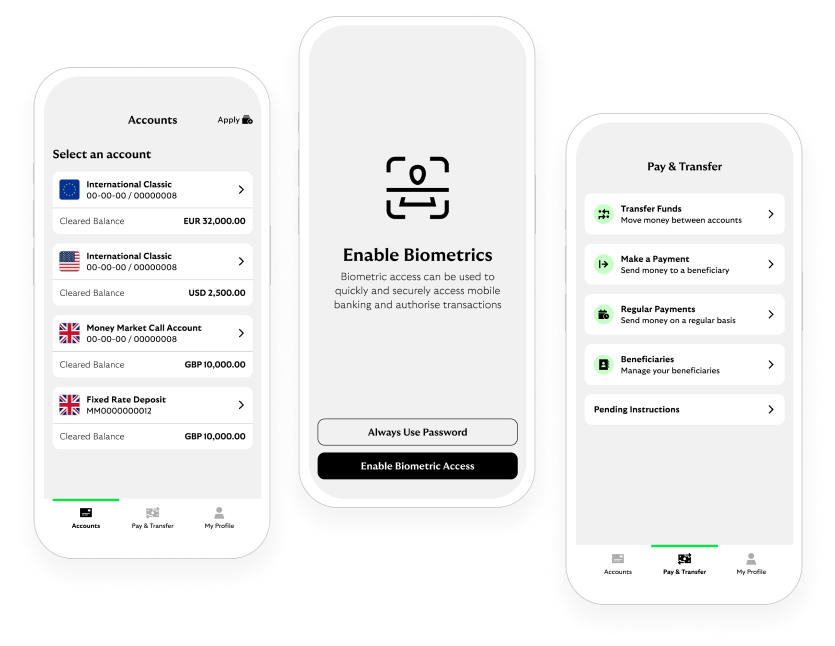
It's simple, secure and convenient to bank in our app.