No Fees Overseas
Get fee-free spending on your debit card in 200 countries worldwide.

Experience life shaped by culture, family and food.
From its relaxed daily rhythms and strong sense of community to its food, culture and sunshine, living in Italy often feels refreshingly human. Add beautiful landscapes, historic towns, a deep enjoyment of everyday moments and it’s easy to see why so many choose Italy for a new chapter abroad.
Renting is common in Italy, particularly in larger cities, although buying property is attractive in smaller towns and rural areas where prices are lower. Apartments are the norm in cities, while houses and villas are more common in villages and countryside locations.
Rental properties are usually unfurnished and this often includes the kitchen and appliances, so initial setup costs should be factored in. To secure a rental, you will typically need proof of income, references and a deposit of up to 3 months’ rent. Contracts usually run for 1 year and can be renewed.
Popular expat locations include Milan for career opportunities, Rome for culture and public sector roles, Florence and Bologna for lifestyle and smaller city living and Turin for industry and affordability. Coastal and southern regions such as Liguria, Sicily and Puglia attract retirees and remote workers seeking a slower pace of life and lower living costs.
Italy is known for its strong sense of community, regional identity and emphasis on quality of life. Daily routines revolve around family, food and social interactions, and many services pause during the afternoon, particularly outside major cities.
The pace of life can feel slower than in northern Europe, and bureaucracy can be complex. Politeness and personal relationships are important in both social and professional settings. While English is commonly spoken in tourist areas and international businesses, speaking Italian significantly improves day to day life and integration.
Italy has a high-quality public healthcare system, the Servizio Sanitario Nazionale, which provides coverage to residents. Once registered, basic healthcare and hospital treatment are largely free or available at low cost.
Many expats also choose private healthcare for faster access and additional comfort. Medical insurance is recommended before registration, especially during the early stages of settlement. Pharmacies are widespread, and doctors are generally well trained, although English availability varies by location.
Pets entering Italy from within the EU need an EU pet passport, microchip and valid rabies vaccination. Pets travelling from outside the EU need extra documentation, including a health certificate issued shortly before travel.
Italy is generally pet friendly, and dogs are commonly seen in public spaces, cafes and on public transport, subject to local rules.
Shipping household goods to Italy is straightforward. Used personal belongings can usually be imported duty free when relocating permanently. Road transport is common for moves within Europe, while sea freight is more cost effective for longer distances.
Restrictions apply to certain items, including firearms, antiques and protected cultural goods, which may need permits.
Italy has a comprehensive transport network. Trains connect most cities and regions, with high-speed services between major urban centres. Public transport within cities includes buses, trams and metro systems in larger cities.
Driving is common outside cities, but traffic congestion and limited parking can be challenging in historic centres. EU driving licences are recognised, while non-EU licence holders may need to exchange their licence after a set period.
EU citizens have the right to live and work freely in Italy. Non-EU nationals need a residence permit, usually linked to employment, self employment or retirement.
Italy’s economy includes strong manufacturing, automotive, fashion, tourism and food sectors. Milan is the main business and financial hub, while other cities offer opportunities in education, engineering and public administration.
Business culture values relationships and trust. Hierarchies exist, and formal communication is common at first. Italian is the main working language, although English is increasingly used in international companies.
Italy offers free public education, taught primarily in Italian. This can be a good option for families planning a long-term stay, particularly for younger children.
Private and international schools operate in larger cities, offering British, American and International Baccalaureate curricula. Fees vary widely and waiting lists can be long. Higher education in Italy is well regarded and relatively affordable compared with other European countries.
Living abroad often means managing money across borders, particularly if you continue to receive income, have savings or own assets outside your new home country. Many expats use a local account for everyday spending alongside an international account to manage money overseas.
An international bank account, such as our International Classic or International Plus accounts, can help by offering a single place to manage your money in more than one currency, make international payments and access your money wherever you live.
International payments and foreign exchange are an important consideration for expats. Exchange rate movements can affect the value of transfers, savings and major expenses. Lloyds International offers international payments and foreign exchange services designed to help customers manage currency exposure and plan with greater certainty.
Moving abroad can also be a good opportunity to review your wider financial arrangements, including savings and long‑term plans. For customers with more complex needs and with £250,000 (or currency equivalent) or more to deposit, Lloyds International Private Banking offers dedicated support for internationally mobile clients, helping them stay organised while navigating life across borders. Professional tax advice should always be sought where appropriate.
Italy has a progressive income tax system with extra regional and municipal surcharges. Individuals are generally considered a tax resident if they spend more than 183 days in Italy in a calendar year or have their main economic interests based there.
Residents are taxed on worldwide income, while non-residents are taxed only on Italian-sourced income. Italy offers several special tax regimes designed to attract new residents, retirees and high net worth individuals. Italy has a wide network of double tax treaties, reducing the risk of income being taxed twice.
The cost of living in Italy varies significantly by region. Northern cities such as Milan are expensive, while smaller towns and southern regions offer better value for housing and everyday expenses.
When budgeting, consider setup costs such as deposits, furnishings and administrative fees. Healthcare and public transport costs are relatively low compared with many other European countries.
Lloyds International takes no responsibility for the accuracy of this information. It is provided for orientation purposes and to stimulate further research, not as advice. We recommend that you independently verify any details and make decisions based on your own assessment. It is crucial you are aware of and comply with any relevant laws in your host country or country of origin.
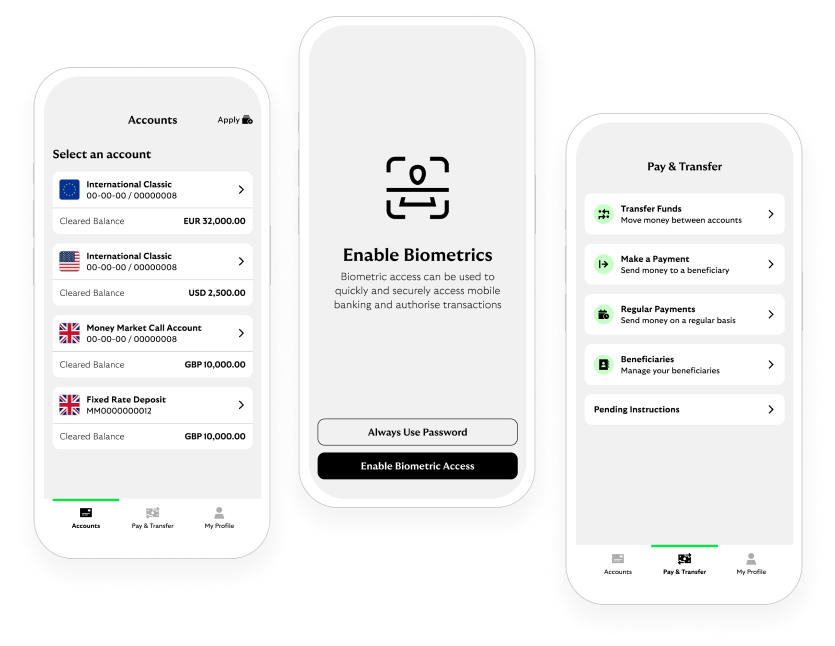
It's simple, secure and convenient to bank in our app.