No Fees Overseas
Get fee-free spending on your debit card in 200 countries worldwide.

Modern opportunities in a fast‑growing Gulf state.
A warm climate, modern cities and English widely spoken make everyday life feel accessible, while a strong sense of safety and community adds reassurance. With a growing cultural scene, coastal living and easy access to travel across the region, Qatar suits those looking for comfort, sunshine and new experiences abroad.
Most expats in Qatar rent rather than buy. Accommodation can be expensive, although lower utility costs may help balance overall living expenses. Many employers offer housing as part of an employment package, often within gated compounds that include shared facilities such as pools, gyms and community centres.
If arranging your own accommodation, apartments are generally the most affordable option, while standalone villas are the most expensive. Serviced apartments are popular for new arrivals, offering flexibility, housekeeping and short or medium-term stays while you search for longer-term housing.
Doha is where most expats live, with neighbourhoods catering to different lifestyles. Al Waab, Madinat Khalifa and Abu Hamour are popular with families due to schools and larger homes. Al Dafna is convenient for professionals working nearby, while Al Sadd offers easy access to amenities and shopping.
Rental contracts typically run for 1 year. You will usually need to pay a deposit of around 1 month’s rent, cover agent fees and supply post-dated cheques for the full rental period. Contracts are written in Arabic, so it can be helpful to obtain an English version or use a translator. Cultural rules apply, including restrictions on unmarried couples renting together.
Qatar is a conservative country with strong Islamic traditions. Expats are not expected to wear traditional clothing, but modest dress is required in public, with shoulders and knees covered. Swimwear is allowed only on private beaches and in resorts.
Respect for religion, customs and local laws is essential. Criticising the emir, religion or politics is illegal and public displays of affection are not permitted. Photography of people, military sites or government buildings should be avoided.
During Ramadan, eating and drinking in public during daylight hours is not allowed. Eid celebrations that follow include public events, shopping promotions and family activities across the country.
Qatar offers one of the strongest healthcare systems in the region, with modern facilities and both public and private providers.
Expats must have health insurance to enter the country. Mandatory health insurance covers emergency treatment and transport, while employers usually offer full medical cover for employees and their families. Expats can apply for a health card to access public healthcare services, even if they also hold private insurance.
Pharmacies are well stocked, although not all medications you can find elsewhere can be purchased in Qatar, as some drugs are restricted. It's important to check access to any prescribed medication before travelling.
Importing pets into Qatar involves strict requirements. Pets must be microchipped, vaccinated, undergo blood testing and be issued with an international health certificate shortly before travel. An official import permit is also required.
Certain breeds and animals from specific countries are banned from entry, so it's important to confirm compliance before making arrangements.
Most expats ship their belongings by sea, which is more cost effective for furniture and large items. Hamad Port, near Doha, is the main entry point for sea freight.
Shipping by sea can take several months, so many people move into furnished accommodation initially. Standard restrictions apply to prohibited items, including alcohol, pork products, weapons and controlled substances.
Because of the climate, driving is the most practical way to get around Doha. Cars can be imported, but many expats choose to buy locally. Driving is on the right and international driving permits allow temporary use of rental cars.
Public transport continues to expand. Doha Metro, trams, buses and taxis offer affordable options within the city. Taxis are widely accessible and reasonably priced, although car ownership remains the most convenient choice for most residents.
All expats need a valid residence and work visa to live and work in Qatar. Visas are usually sponsored by an employer and health insurance must be arranged before approval.
Qatar has a diverse business community with a strong expat presence. Key sectors include energy, construction, finance, education and professional services.
Business culture values relationships, respect and hierarchy. Meetings often begin with informal conversation and patience is important. The working week runs from Sunday to Thursday, with shorter hours during Ramadan. Personal connections, known locally as wasta, play an important role in career progression, although opportunities for expats remain strong.
Public schools are free for Qatari citizens but are difficult for expats to access. Most expat families choose private or international schools, which offer a range of curricula and teaching languages.
International school places are in high demand, and waiting lists are common, so early applications are advisable. Fees vary by school and age group and form a significant part of family living costs.
Managing finances across borders is an important part of expat life in Qatar. Many people keep bank accounts both locally and in their home country, particularly when transferring savings or receiving income in different currencies.
Understanding exchange rate movements can help reduce costs when moving money internationally. Some services allow you to lock in exchange rates, which can offer added certainty.
Qatar does not levy personal income tax on salaries, wages, pensions or investment income. Business profits are generally taxed at a flat corporate rate, with higher rates applying to oil and gas activities.
There is no inheritance or property tax. VAT has been introduced at a low rate, with exemptions for essential goods and services. Customs duties apply to imported goods, with higher rates for specific items.
Tax administration is handled by the General Tax Authority. Businesses or individuals with taxable income may need to register and obtain a tax identification number.
The cost of living in Qatar is high, particularly for housing, schooling and leisure. Food and household goods can also be expensive, as many items are imported, although fuel costs are relatively low.
When budgeting, allow for upfront rental costs, education fees, insurance and shipping expenses. Employer packages may include accommodation, schooling or medical benefits, which can significantly reduce personal costs.
Lloyds International takes no responsibility for the accuracy of this information. It is provided for orientation purposes and to stimulate further research, not as advice. We recommend that you independently verify any details and make decisions based on your own assessment. It is crucial you are aware of and comply with any relevant laws in your host country or country of origin.
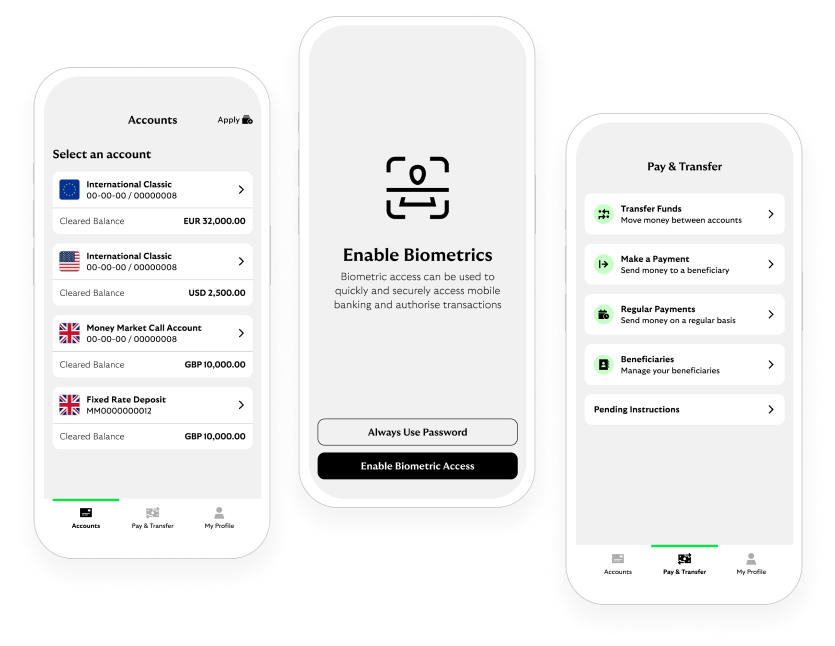
It's simple, secure and convenient to bank in our app.