No Fees Overseas
Get fee-free spending on your debit card in 200 countries worldwide.

A distinctive lifestyle shaped by nature, culture and opportunity.
A warm climate, English widely spoken and a relaxed approach to daily life make it easy to settle in, while dramatic landscapes and outdoor living shape everyday experiences. Combined with strong community ties and a rich cultural mix, South Africa appeals to those looking for a life that feels both fuller and freer.
South Africa offers a wide range of accommodation, with gated communities particularly popular among expats. Many long-term expats choose to buy property rather than rent, especially when the rand is weak. Property prices are generally much lower than in the UK, both in cities and rural areas.
Renters can choose between furnished and unfurnished properties, with estate agents commonly managing the process. Lease terms are usually for 1 year, with a deposit of 1 to 2 months’ rent needed. Utilities are rarely included and electricity is often pre-paid. For security, many homes feature perimeter fencing, alarm systems and links to private security companies.
Expats are most commonly based in Johannesburg, Cape Town and Durban. Johannesburg is the main financial centre, Cape Town offers coastal living with natural scenery and Durban is known for its beaches and warm climate.
South Africans are known for being friendly, welcoming and open, which helps many expats settle in quickly. Sport plays a big role in daily life, particularly rugby, cricket and football.
Communication tends to be direct and informal, with an emphasis on politeness and humour. Relationships are important and people often value consensus and face-to-face interaction.
South Africa operates both public and private healthcare systems, with a significant difference in quality and access. Most expats rely on private healthcare and medical insurance to access faster treatment and better facilities.
Private medical cover varies in cost and coverage, but many employers contribute towards health insurance. While public hospitals are staffed by skilled professionals, facilities can be underfunded and waiting times long, particularly outside major cities.
Pharmacies are widely accessible in shopping centres and hospitals. Those travelling to rural areas should carry enough medication. Private ambulance services are recommended, as public emergency response times can be slow in some regions.
Importing pets into South Africa requires an import permit, microchipping, up to date vaccinations and a health certificate issued shortly before travel.
Rabies vaccinations must meet specific timing requirements and dogs may need extra blood tests. Animals that don't meet the entry requirements, or originate from certain countries, may be subject to quarantine.
Shipping to South Africa can be costly and administratively complex. Customs regulations are strict, with extensive tariff codes enforced by the South African Revenue Service.
Air freight is the fastest option but significantly more expensive than sea freight. Some items attract import duties, so having the right documentation and customs declarations are essential.
Most expats own a car due to limited public transport options. Roads in urban areas are generally in good condition, although rural routes may be poor. Fuel and maintenance costs can be high and traffic congestion is common during peak hours.
Ride-hailing services operate in major cities and are widely used. Minibus taxis are common but can be unsafe for unfamiliar travellers. Rail travel is limited, with the Gautrain offering a reliable link between Johannesburg, Pretoria and the airport. Domestic flights are the most practical way to travel long distances.
Expats need the appropriate visa to live and work in South Africa. Visa categories vary depending on skills, employment and length of stay. Rules can change so checking requirements in advance is important.
South Africa is an emerging market with a diverse economy and strong entrepreneurial culture. While unemployment is high, there is demand for skilled professionals in sectors such as engineering, education and specialist trades.
Business culture is structured, with clear hierarchies and respect for seniority. Face-to-face meetings are preferred, with first name greetings and handshakes being commonplace. Salaries are generally lower than in Western Europe, but the lower cost of living can offer good overall value, particularly if paid in a stronger currency.
Education quality varies widely between public and private schools. State education is free, but standards depend heavily on location and funding. Schools in affluent areas typically offer better resources.
Private schools are highly regarded but expensive and competitive, with many faith-based or other education options on offer. Homeschooling is permitted but must follow provincial regulations. International schools in Johannesburg and Cape Town offer British, American and International Baccalaureate curricula.
Living abroad often means managing money across borders, particularly if you continue to receive income, have savings or own assets outside your new home country. Many expats use a local account for everyday spending alongside an international account to manage money overseas.
An international bank account, such as our International Classic or International Plus accounts, can help by providing a single place to manage your money in more than one currency, make international payments and access your money wherever you live.
International payments and foreign exchange are an important consideration for expats. Exchange rate movements can affect the value of transfers, savings and major expenses. Lloyds International offers international payments and foreign exchange services designed to help customers manage currency exposure and plan with greater certainty.
Moving abroad can also be a good opportunity to review your wider financial arrangements, including savings and long‑term plans. For customers with more complex needs and with £250,000 (or currency equivalent) or more to deposit, Lloyds International Private Banking offers dedicated support for internationally mobile clients, helping them stay organised while navigating life across borders. Professional tax advice should always be sought where appropriate.
Residents are taxed on worldwide income, while non-residents are taxed on South African-sourced income. Income tax applies once earnings exceed a set threshold and includes employment income, business income and some investment income.
Extra taxes may apply to property transfers, estates and donations. Employers and employees both contribute to limited social security benefits. South Africa has double tax treaties with many countries, which can help reduce the risk of being taxed twice.
The cost of living in South Africa is generally lower than in the UK, particularly for housing and domestic services. Everyday expenses such as groceries, utilities and fuel have been rising though.
When budgeting, factor in setup costs such as accommodation deposits, furniture, security systems and insurance. Employer benefits may cover housing, schooling or medical insurance, which can significantly reduce personal costs.
Lloyds International takes no responsibility for the accuracy of this information. It is provided for orientation purposes and to stimulate further research, not as advice. We recommend that you independently verify any details and make decisions based on your own assessment. It is crucial you are aware of and comply with any relevant laws in your host country or country of origin.
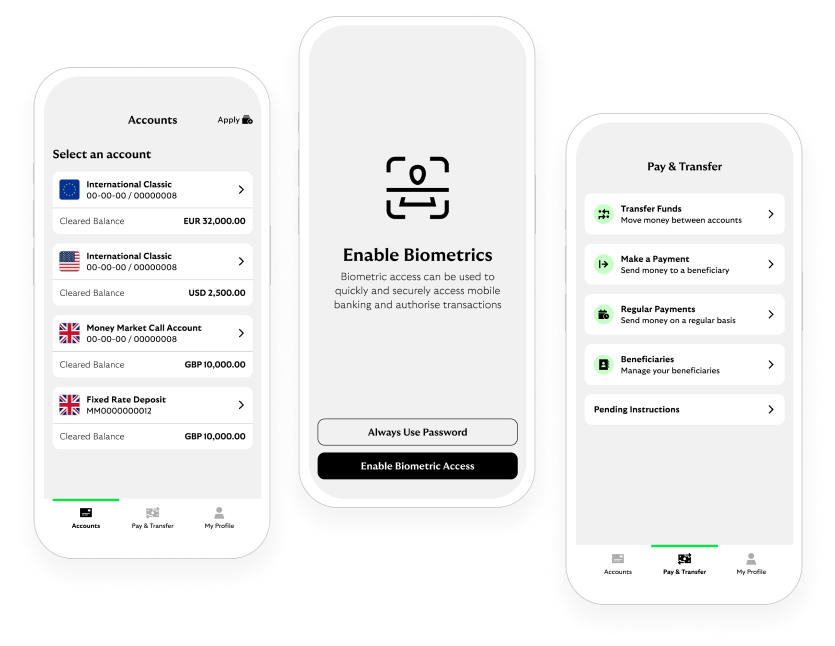
It's simple, secure and convenient to bank in our app.