No Fees Overseas
Get fee-free spending on your debit card in 200 countries worldwide.
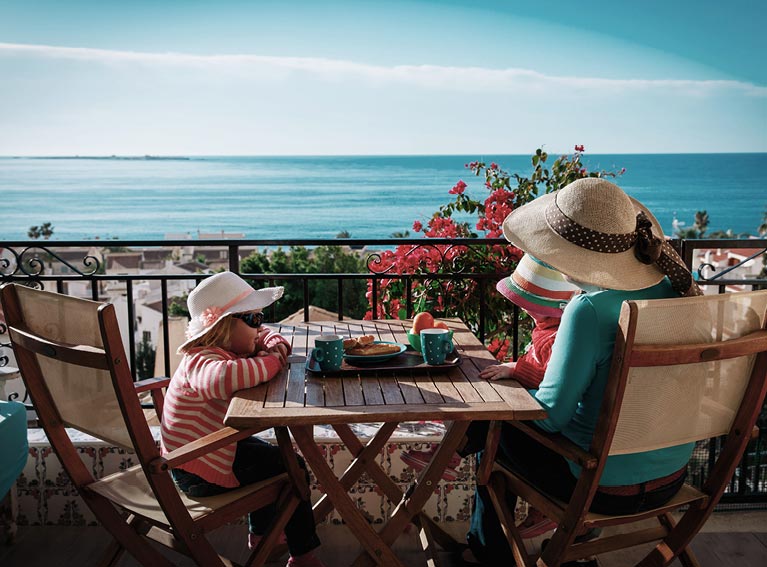
A relaxed way of life built around community and sunshine.
Sunshine, a slower daily rhythm and a strong focus on family and community make settling in feel natural. With beautiful coastlines, historic towns and a culture built around enjoying everyday moments, Spain continues to appeal to those looking for warmth, balance and quality of life abroad.
Spain offers a wide range of affordable accommodation options, from city apartments and coastal homes to village houses and detached villas. Both renting and buying are popular with expats.
Rental contracts usually run for 6 months or 1 year. You should expect to pay an agent’s fee and a deposit of up to 2 months’ rent. Furnishing standards vary so it's important to check what's included, as properties advertised as furnished may still have limited appliances or white goods.
Buying property in Spain is relatively straightforward, although it is essential to use an independent lawyer and building surveyor. Once searches are complete, the purchase process is typically quick.
Popular cities include Madrid for jobs, culture and nightlife, Barcelona for architecture and beaches, Valencia for affordability and family life and Seville for traditional Andalusian culture. Coastal favourites include Malaga and Marbella on the Costa del Sol, Alicante on the Costa Blanca and San Sebastian in the Basque Country. Bilbao offers a more industrial yet culturally rich lifestyle, while smaller inland towns appeal to those seeking a slower pace of life.
Spain is culturally diverse, with autonomous regions that have their own traditions, languages and identities. Daily life is generally relaxed and social, with an emphasis on enjoying time with family and friends.
In many areas, particularly in the south, the pace of life slows during the hottest part of the day. While the traditional siesta is less common in major cities, later evenings and longer lunches remain part of Spanish life.
Spain has an excellent healthcare system. The public Spanish National Health System provides access to doctors and hospitals for residents registered with social security, with some costs for treatment and prescriptions.
You can easily find private healthcare which offers shorter waiting times. Many expats take out private medical insurance, which is relatively affordable by European standards. Medical staff are well trained and English is commonly spoken in areas with large expat communities.
Pharmacies are easy to spot by their green cross signs and some medicines that require prescriptions elsewhere can be purchased over the counter.
Pets entering Spain from other EU countries can travel under the European Pet Travel Scheme with a valid EU pet passport. Animals must be microchipped and meet rabies vaccination requirements.
Pets arriving from outside the EU need extra documentation, including a health certificate and proof of vaccination. Entry rules vary, so it's important to check requirements before travelling.
Moving personal belongings to Spain is relatively straightforward. From within Europe, removal vans are a popular and cost-effective option. From further afield, sea freight is cheaper than air freight but takes longer.
Duty free allowances apply to alcohol and tobacco, while restrictions exist for firearms, certain antiques and works of art, which need permits.
Spain has a reliable and affordable transport network. Public transport is widely used, particularly in cities where parking can be limited.
The rail system includes regional services and high-speed trains linking major cities, often making trains quicker than domestic flights. Large cities such as Madrid, Barcelona and Valencia also have efficient metro systems. Buses offer extensive coverage, although services may be limited on Sundays.
Taxis and ride‑hailing apps are easy to access. EU driving licences are valid in Spain, while non-EU licence holders may need an international driving permit.
Residency and work requirements vary depending on nationality and length of stay. Non-EU nationals usually need a visa and work authorisation before starting employment in Spain.
Spain has a large and diverse economy, with major industries including tourism, automotive manufacturing and renewable energy. Many expats set up businesses in tourism-focused regions.
Business culture values relationships and trust. Dress tends to be smart, communication is formal at first and Spanish is the main language of business. Management styles are traditionally hierarchical, although this is gradually changing. Business hours are long, but extended lunch breaks are common.
Spain offers a wide range of education options. State schools are free and teach mainly in Spanish, with some regional language variations. Semi-private schools receive state funding and charge low fees.
Private and international schools can be found in major cities and expat areas, often following British, American or International Baccalaureate curricula. These schools have high fees and competition for places can be strong.
Living abroad often means managing money across borders, particularly if you continue to receive income, have savings or own assets outside your new home country. Many expats use a local account for everyday spending alongside an international account to manage money overseas.
An international bank account, such as our International Classic or International Plus accounts, can help by offering a single place to manage your money in more than one currency, make international payments and access your money wherever you live.
International payments and foreign exchange are an important consideration for expats. Exchange rate movements can affect the value of transfers, savings and major expenses. Lloyds International offers international payments and foreign exchange services designed to help customers manage currency exposure and plan with greater certainty.
Moving abroad can also be a good opportunity to review your wider financial arrangements, including savings and long‑term plans. For customers with more complex needs and with £250,000 (or currency equivalent) or more to deposit, Lloyds International Private Banking offers dedicated support for internationally mobile clients, helping them stay organised while navigating life across borders. Professional tax advice should always be sought where appropriate.
The Spanish tax year runs from 01 January to 31 December, with the main filing deadline at the end of June. Tax residency is generally determined by spending more than 183 days in Spain or having vital interests based there.
Residents are taxed on worldwide income, while non residents are taxed on Spanish-sourced income. Spain offers a special tax regime for qualifying expatriates, allowing certain employees to be taxed as non-residents for a limited period.
Spain has an extensive network of double tax treaties, helping to reduce the risk of double taxation. Given the complexity of the system, professional tax advice is recommended.
Spain’s cost of living is lower than in many Western European countries, particularly outside major cities. Housing, dining and transport are generally affordable, although costs are higher in Madrid, Barcelona and popular coastal resorts.
When budgeting, consider setup costs such as deposits, furnishing, insurance and vehicle expenses. Employer relocation packages may include accommodation or school fee support.
Lloyds International takes no responsibility for the accuracy of this information. It is provided for orientation purposes and to stimulate further research, not as advice. We recommend that you independently verify any details and make decisions based on your own assessment. It is crucial you are aware of and comply with any relevant laws in your host country or country of origin.
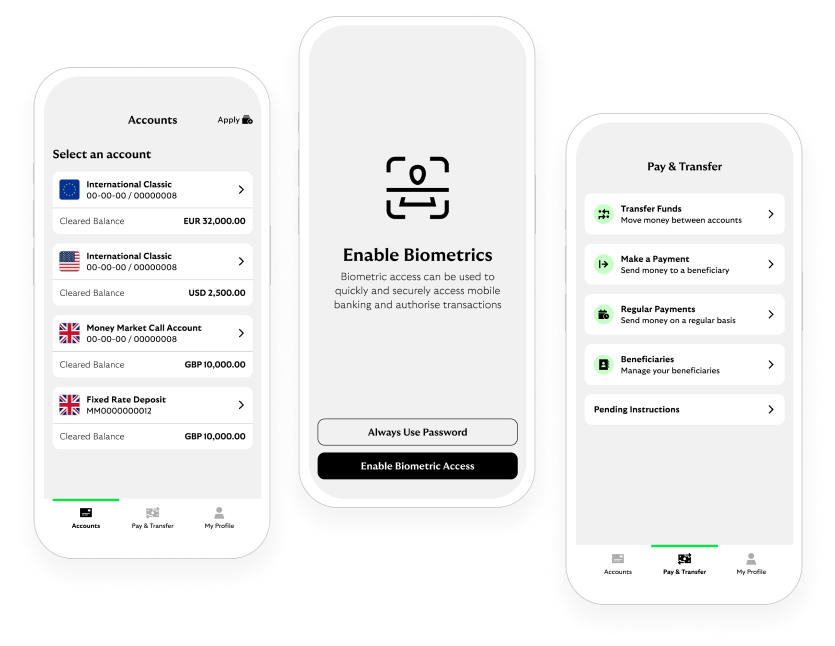
It's simple, secure and convenient to bank in our app.