No Fees Overseas
Get fee-free spending on your debit card in 200 countries worldwide.

A lifestyle that balances affordability with adventure.
A welcoming culture, affordable living and English widely spoken in many areas make settling in feel easy. With its balance of vibrant cities, coastal escapes and a strong focus on enjoying everyday life, Thailand continues to attract those keen to slow down and start a new chapter in the sun.
Rental accommodation in Thailand is widely accessible and suits all budgets, from simple beach huts to high rise city apartments. Most properties come furnished and many expats choose serviced apartments. Particularly in Bangkok’s business districts, for convenience, security and access to public transport.
Rental contracts usually run for 6 to 12 months. You will normally need to pay a deposit of 2 to 3 months’ rent and sign an inventory listing including items and any existing damage. You'll usually need your passport details, proof of income and a work permit for long term rentals. Utilities such as electricity, water and phone services are normally paid separately.
Bangkok is a popular choice for professionals due to its transport links, international schools, hospitals and entertainment. Chiang Mai and Chiang Rai in the north attract families and digital nomads with their lower living costs and relaxed pace. Coastal and island locations such as Phuket, Pattaya, Hua Hin, Krabi and Koh Samui are favoured by retirees and lifestyle focused expats.
Thai people are known for their warmth, hospitality and respect for social harmony. Society is hierarchical, with a particular respect shown to elders, monks and those in senior positions. Titles are often used with first names rather than surnames.
Certain customs are important to observe. Touching someone’s head or pointing with your feet is considered disrespectful. English is widely spoken in large cities and tourist areas, although learning basic Thai phrases is appreciated and helps with daily life.
Healthcare standards in Thailand vary by location, but private hospitals and clinics in major cities offer high quality care at relatively affordable prices. Many doctors and pharmacists speak English.
Most expats take out private health insurance. This is recommended even for routine care, as specialist treatment and emergencies can be costly. Pharmacies are widespread and you can get many medications without a prescription. Drinking bottled water is recommended and vaccinations should be kept up to date.
Pets are classed as restricted goods in Thailand and need an import permit from the Department of Livestock Development. Animals must be microchipped, vaccinated and accompanied by a valid pet passport and health certificate approved by the relevant authorities.
Quarantine is not usually required if all paperwork is in order and the pet is healthy.
Shipping household goods to Thailand is common, although many expats bring fewer belongings as properties are typically furnished and household items are affordable locally.
Used household goods can be imported duty-free if shipped within a specific timeframe around your arrival. It's advisable to use a reputable shipping company and make sure you have sufficient insurance cover. Standard restrictions apply to items such as weapons, drugs and certain electronics.
Thailand has an extensive and affordable transport network. Buses are widely used and rail services connect much of the country. Bangkok has several rapid transit systems, including the BTS Skytrain, MRT and Airport Rail Link, offering reliable city travel.
Taxis and ride-hailing services are inexpensive and convenient. Tuk tuks and motorbike taxis are common but may feel less safe for newcomers. Domestic flights are frequent and low cost, making air travel the quickest way to move between regions.
Anyone working in Thailand must have a valid work permit and visa. Permits are issued only for approved roles and employers must meet local employment ratio requirements, which can limit opportunities for expats.
Thailand continues to attract expats in industries such as education, tourism, finance, automotive manufacturing, agriculture and electronics. English teachers are in steady demand, while skilled professionals often receive higher salaries than local averages.
Business culture is formal and hierarchical. Respect, punctuality and politeness are essential. Meetings are expected to start on time and English is widely used in business, particularly in Bangkok, although formal documentation may be in Thai.
State education is free but standards vary, so most expat families choose private or international schools. These schools offer a range of curricula and teach primarily in English, although Thai language and culture are often included.
International school fees are high and waiting lists are common, making early applications important. Homeschooling is legal but requires government approval.
Living abroad often means managing money across borders, particularly if you continue to receive income, have savings or own assets outside your new home country. Many expats use a local account for everyday spending alongside an international account to manage money overseas.
An international bank account, such as our International Classic or International Plus accounts, can help by offering a single place to manage your money in more than one currency, make international payments and access your money wherever you live.
International payments and foreign exchange are an important consideration for expats. Exchange rate movements can affect the value of transfers, savings and major expenses. Lloyds International offers international payments and foreign exchange services designed to help customers manage currency exposure and plan with greater certainty.
Moving abroad can also be a good opportunity to review your wider financial arrangements, including savings and long‑term plans. For customers with more complex needs and with £250,000 (or currency equivalent) or more to deposit, Lloyds International Private Banking offers dedicated support for internationally mobile clients, helping them stay organised while navigating life across borders. Professional tax advice should always be sought where appropriate.
Individuals earning income in Thailand are subject to personal income tax, whether resident or non-resident. Residency for tax purposes is generally defined as spending 180 days or more in the country in a calendar year.
Tax applies to employment income, business income and most investment income, but it’s possible to get allowances and deductions. Thailand has an inheritance tax over certain thresholds and applies social security contributions at a capped rate. Double tax treaties with many countries help reduce the risk of income being taxed twice.
The cost of living in Thailand is generally low compared to Western countries, particularly for food, transport and domestic services. Housing and schooling costs vary widely depending on location and lifestyle.
When budgeting, factor in setup costs, insurance, schooling and utilities. Employer packages may include housing or education allowances, which can significantly reduce personal expenses.
Lloyds International takes no responsibility for the accuracy of this information. It is provided for orientation purposes and to stimulate further research, not as advice. We recommend that you independently verify any details and make decisions based on your own assessment. It is crucial you are aware of and comply with any relevant laws in your host country or country of origin.
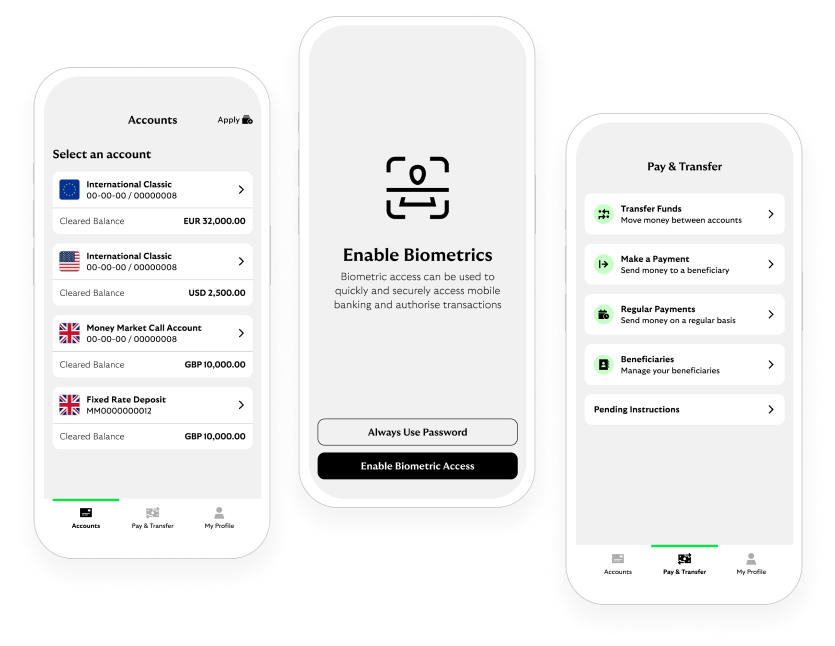
It's simple, secure and convenient to bank in our app.