Change your business address
If you're a full access user, you can update your business, registered, mailing and personal addresses within Online for Business and the Business banking app.
With nearly a quarter of the UK’s manufacturing workforce nearing retirement - most of them men - the sector faces a talent cliff. Inclusive leadership isn’t a “nice to have”; it’s a competitive advantage.
Read time: 3 mins Added: 28/10/25

Looking at the data, you’d be forgiven for thinking that manufacturing is a man’s world. The proportion of women in the manufacturing workforce has sat at around just one in four for the last 20 years.
That’s manufacturing’s loss, because women have an important contribution to make. We all know that manufacturing firms, like many other sectors, are facing a shortage of skills, so it’s a missed opportunity not to recruit from as wide a talent pool as possible.
There are signs of progress for women in manufacturing. Women account for 28.2% of the workforce1 and 27.3% of leadership roles, while representation of non-White women stands at 13.7%. But representation alone doesn’t tell the whole story. Barriers to staying and progressing remain, from feeling valued at work and balancing caregiving to menopause and access to flexible working. For 56% of respondents, flexibility is very or extremely important to staying in their current job, while women with disabilities can face additional barriers.

Eleanor Moorhouse Women Entrepreneur Lead, Inclusive BusinessIt’s vital that the next generation sees not only that there’s a place for them in manufacturing, but that they can thrive, advance their careers, and reach the very highest levels of success.
From building Professional Polishing Services and Women With Metal, to championing women across the sector, Kirsty Davies-Chinnock shares her experience of manufacturing and her ambition to help make the industry more inclusive.
The report highlights that inclusive leadership must steer the sector forwards – from the boardroom to the shop floor. It identifies five key principles to promote more inclusive workplace cultures:
SMEs are uniquely positioned to lead on inclusivity by embedding equity into everyday practice. It starts with co-creating inclusive visions and regularly tracking progress, ensuring all employees have equal access to resources and recognition.
Let’s build a manufacturing sector that works for everyone - and thrives because of it.
Changing Perceptions is an event bringing together women and industry bodies to challenge improving gender representation and the benefits this can bring. We took the opportunity to speak with some of the attendees to hear firsthand about the challenges women face in the industry and the opportunities that inclusion can unlock.
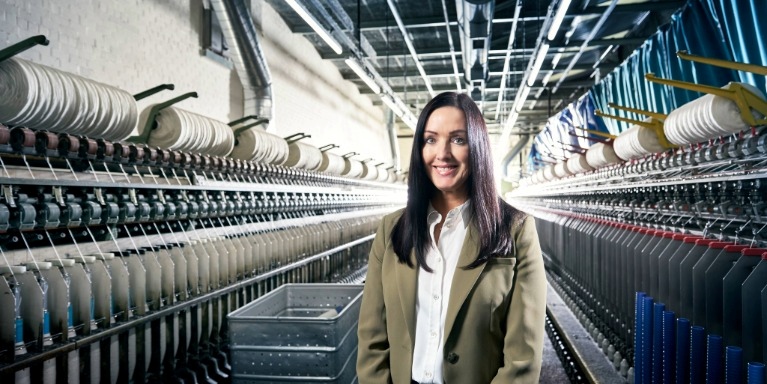
Led by Managing Director Amanda McLaren, AW Hainsworth is aiming for £30m turnover by 2030.
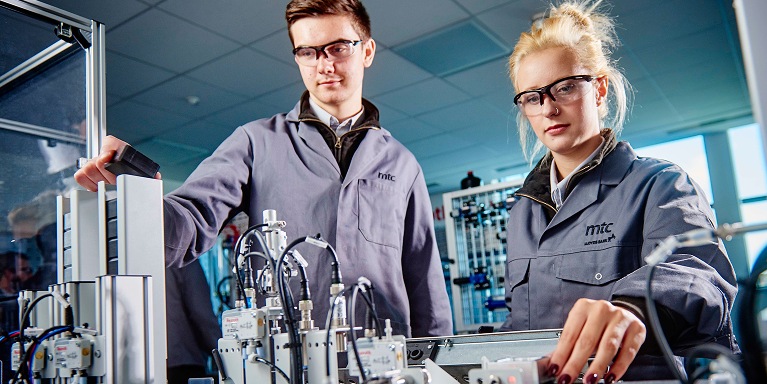
Our partnership with MTC helps businesses like yours access skills and expertise. We’ve been working with them since 2015 and have extended our collaboration to the end of 2029, with £15m in total sponsorship.